
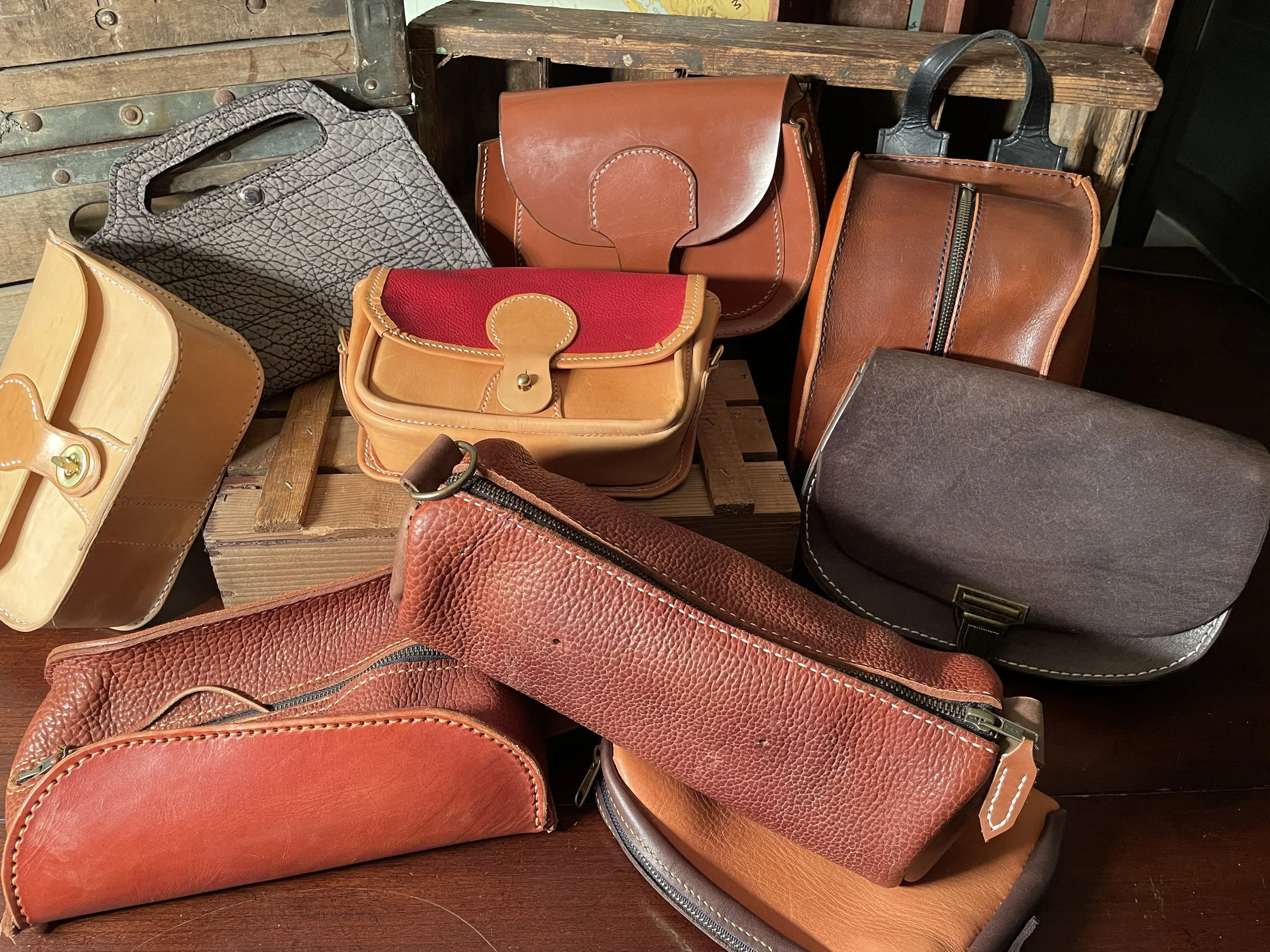
Our Materials
the things we use to make the things we love
Why spend more on premium materials and better build quality?
Let’s say you were going to build a car from scratch in your garage—and when. I say car, I’m talking about the kind of cars that were made the old way, by real people, using materials and techniques that would stand the test of time. I’m talking about making a car the way they used to be made.
The kinds of cars with hardened steel chassis and metal quarter panels, with doors so serious, they had woodgrain on both the inside and outside. Under the hood, they had engines that actually looked like engines, with rubber tubes and spark plugs, distributor caps, pumps, pistons, cams, and four-barrel carburetors the size of a bowling ball. And to top it all off, a big chrome air filter the size of a large pizza.
We want to outlast, outlive, and outperform the biggest brands on the planet
In order to build the best quality car, we’d have to start with the best materials: hardened steel, heiron, aluminum, glass, and rubber. We’d need a good set of regular hand tools: screwdrivers, allen wrenches, a torque wrench, bench grinders, pipe benders, a socket set, a blowtorch, and a few other odds and ends. We’d also need time—maye a month or two—plus cooperation, communication, and probably a few thousand curse words.
But with hard work, a little bit of time, teamwork, the right tools, and the best materials, that car would be the finest damn car on the road. It would drive better, faster, and be more reliable than almost any car on the road.
How the biggest auto manufacturers would do it
Now imagine if a major auto manufacturer wanted to build a car that looked like our car, had the same reputation as our car, the same perception of quality and style, and they wanted to do it all at a fraction of the cost. How would they do it? Well, for starters, they wouldn’t use the best materials on the planet. They’d get rid of sold steel and iron and swap it for cheap composites and hard plastics. They’d use less expensive tubes and hoses and engine parts, and use as cheap plastic parts that would wear out faster. They’d build an engine designed for cost efficiency instead of for longevity and performance. And they’d cut every corner they could in order to shorten the build time and save money on manpower.
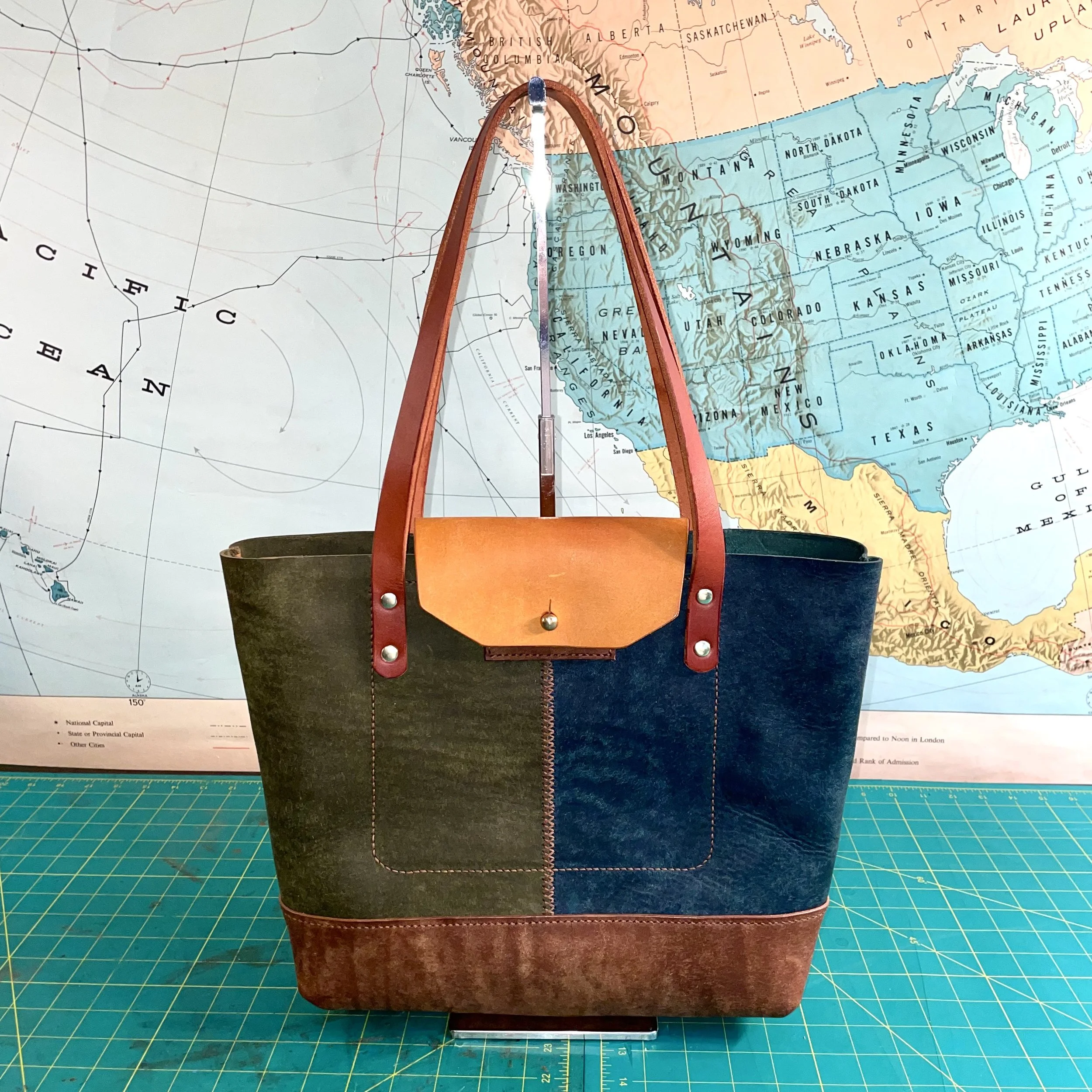
What does any of this have to do with leather goods?
This might come as a shock to you, but here at Swift Leatherworks, we do not manufacture automobiles. We make handmade, heirloom quality leather goods. So why go through that whole story about building a muscle car in your garage? To help you, our customers, understand our commitment to quality.
The Swift Leatherworks commitment to quality
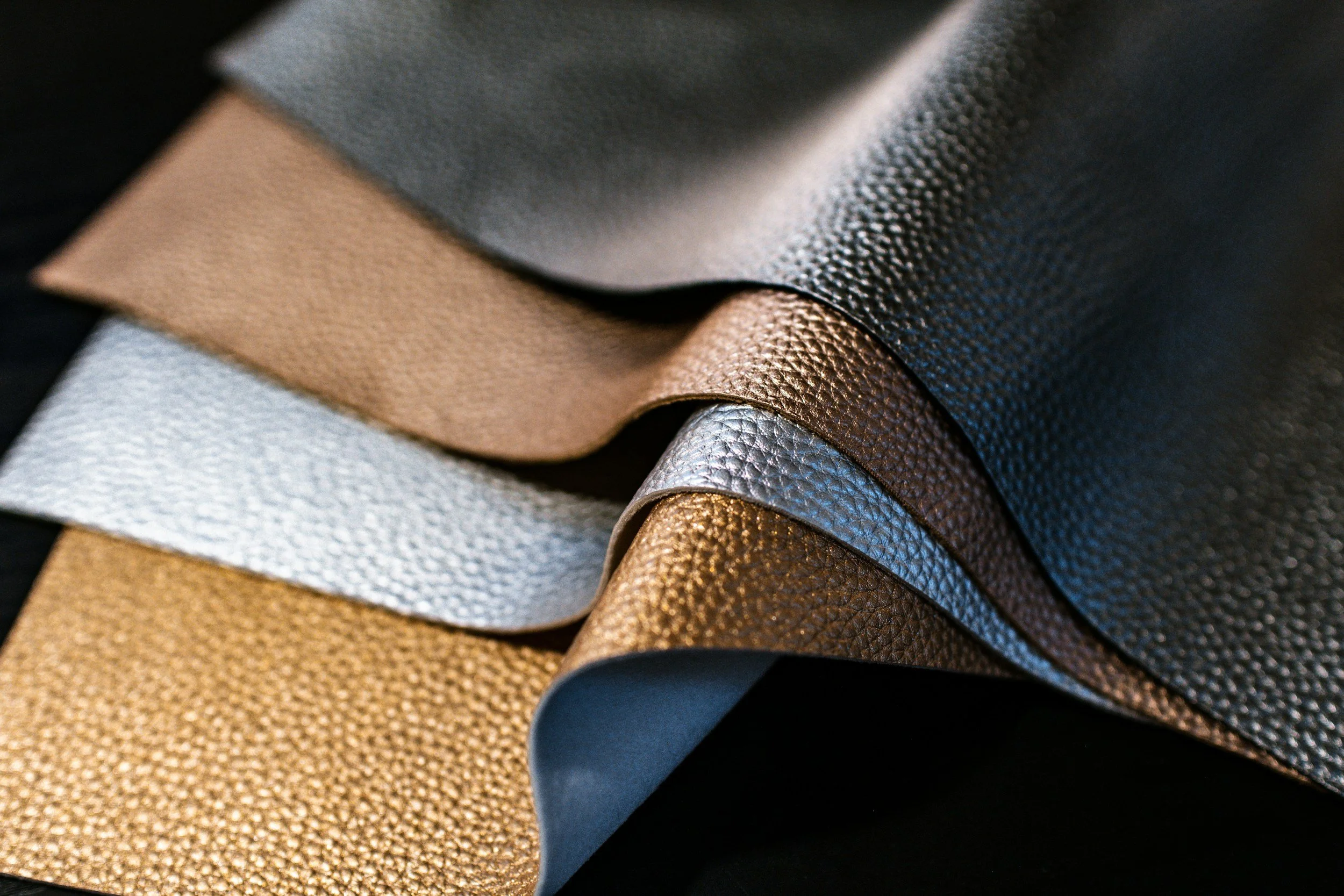
When We design a product, we don’t start with a target price point, or calculate our per-unit cost projections and then work backwards from there. We don’t use zinc hardware because it’s 60% cheaper than solid brass. We don’t use buffed, corrected-grain leather because it’s cheaper and has fewer blemishes than full grain leather. We don’t use two layers of paper-thin leather glued to a cardboard backing to give it body. We don’t use PVC coated, pigmented, or painted leather. We don’t use alloy hardware because it’s cheaper than stainless steel.
In short, we don’t cut corners on quality so that we can make our products more profitable, we don’t cheap-out on materials and then boost our prices to pay for relentless marketing, and we never, ever plan for our items to fall apart so you will buy them again sooner. Every product we design starts with one question:
How can we make this product look great, perform even better, and maximize the longevity so that it lasts for as long as possible? And lastly, how do we design it so that if it does break, it can be repaired by us, or by someone else?