
Getting Started in Leathercraft: Where to Buy Tools and Materials
The early history of leathercraft
The origin of leather and leatherworking goes back to the very beginning of human civilization, with the Sumerians and Etruscans, around 3,000 B.C. Some historians say that the practice of leather tanning goes even back further than that, to 7,000 B.C., almost ten thousand years ago. The earliest examples of leather creations were utilitarian in nature. Leather was mainly used to make clothing and shelter, as well as weapons, light armor, sandals, boots, and foraging bags used to gather food and medicine.
It wasn’t long before decoration and artistry began working their way into the craft. The Romans used leather thongs to lace shells and beads onto their clothing. The ancient Egyptians painted and dyed their leather with fantastical depictions of their gods. Berber craftsmen of the Middle East and Africa adapted Hellenistic arabesque patterns from Asia Minor. The Moors brought advanced floral and geometric leather-carving techniques to Spain. The Native Americans used seed beads, shells, and natural dyes to decorate their leather creations.
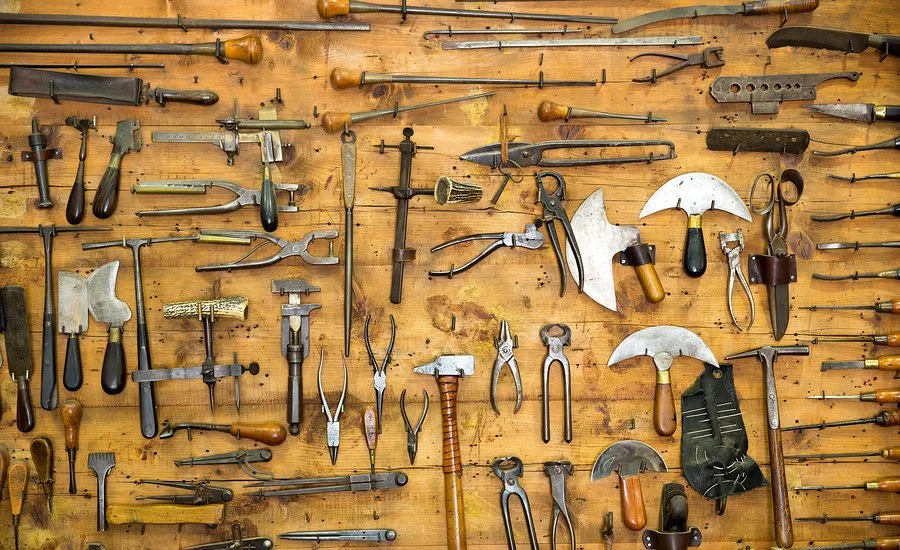
Early leatherworking tools
Early leathercrafters relied on simple tools that got the job done. To work a leather hide into something useful, you only need the basics: a sharp knife, an awl or hole punch, and a needle and sinew to stitch it all together. Ten thousand years later, and the tools have gotten a significant upgrade, but many of the techniques are still in use today.
In modern times, leather tools have become works of art in their own rite. Modern leatherworking tools can get pretty expensive, and leather machines cost a small fortune. But if you’re new to leathercraft, keep in mind that for the first 9,900 years of the craft, leatherworkers didn’t have expensive tools from Palo Santo, Sinabroks, or Vergez Blanchard to get them through their projects, nor did they have sewing machines, clicker presses, or strap cutters. Ancient leathercrafters got by with sharpened rocks and dried sinew for thread, and they still made functional, beautiful leather designs.
In this post, I’m going to share some of my favorite places to buy leather tools and materials on a budget, so you can get started in leathercraft without having to mortgage your home or cash-in your 401k.
For Beginner and Intermediate Crafters
In this article, I’ll outline some of my favorite places to buy leather, leather tools, and supplies that are perfect for beginners and intermediate leathercrafters. I’ve kept mainly to leathercraft-specific retailers, but there are tons of great sites and stores out there, and nothing beats touching this stuff in person before you buy them. Check your local listings for saddle and tack shops, Tandy leather stores, western stores, and other likely retailers.
There are also plenty of good tools to be had at places like Harbor Freight, Home Depot, and your local hardware store. Additionally, you can seek out used and vintage leather tools at tag sales and estate sales, or on resale sites like eBay and Facebook Marketplace.
Slow Down, You’re Moving Too Fast…
The most important thing is to take it slow and try not to spend everything you’ve got on tools before you know what you’re doing. I wasted quite a bit of money buying expensive tools that I hardly ever use. But, regrets aside, I get by just fine with workaday tools that are bench tested and old timer-approved.
Everything I’ve listed in this article is something I personally own and can vouch for. I sincerely hope you can learn from my mistakes and benefit from what little wisdom I have. And so, without further ado, let’s get to the good stuff.
My favorite places to buy leather tools and hardware
Don’t worry about buying expensive tools during the first few years of your leather journey. Instead, just focus on finding affordable, durable tools that’ll help you bring your vision to life. My philosophy is to start out using inexpensive tools from companies like Tandy Leather, Owden, Kevin Lee, and WUTA until you figure out exactly what kind of leatherwork you want to do. Once you’ve gotten some experience and you know which tools you use the most—and which ones you hardly ever use—then it’s time to start buying your “forever tools.”
Tandy Leather: Every leathercrafter’s first love
Tandy Leather is the OG leather supplier, and they are absolutely great for the basics — cheap edge bevelers, rivet setters, snap setters, double cap rivets, line 24 snaps, segma snaps, tooling stamps, dyes, glues, finishes, etc. Tandy’s got it all.
First, the leather: Unfortunately, a lot of Tandy’s discount and economy leathers have been somewhat disappointing. One bright spot is Tandy’s Economy Veg Tan, which is a leather that I relied on heavily for the first few years of my leathercraft hobby, but once I got my hands on some premium veg like their Selection Quebracho or Selection Mimosa veg tan leathers, I understood the difference immediately. Currently, my favorite leather from Tandy is their Montana Veg Tan Side which sell for $159. Montana is a thick, floppy, slightly oily cowhide that has an amazing squeak and a delicious aroma. I highly recommend Montana if you’re looking to make the jump from natural veg tan into a dyed, finished hide.
Now when it comes to tools, I have to give respect where it’s due: Tandy is the original leathercraft supplier in the USA, and without them, I’m not sure there would be an American leathercraft scene at all. And despite some issues with cheap plated hardware and occasionally disappointing discount leathers, I would estimate that about half of the tools on my workbench come from Tandy. And I especially love their Craftool Pro line, particularly the Craftool Pro Round Strap End Punches, Japanese Heavy Duty Oblong Punches, and Craftool Pro Stitching Awl. Tandy is also a great place to get affordable tooling supplies like stamps and carving tools. My swivel knife is a Tandy, as are the bulk of my tooling stamps.
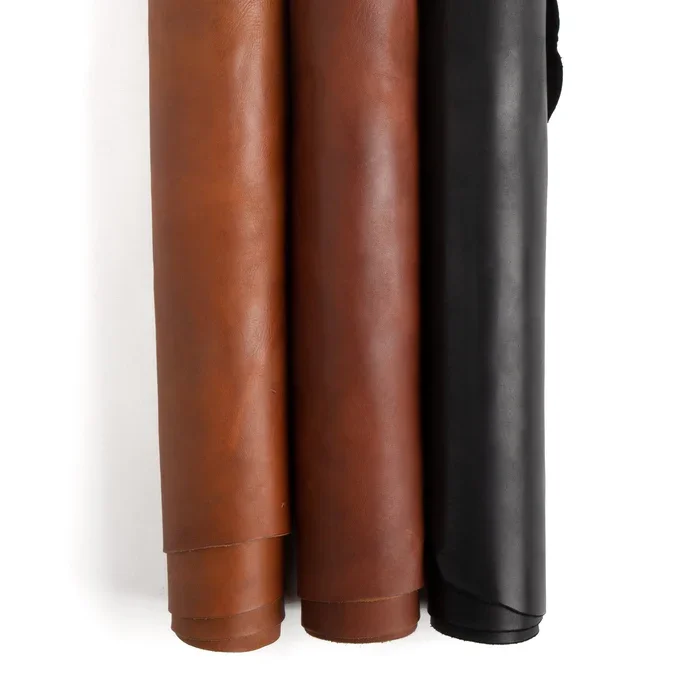
Montana Veg Tan
From Tandy, Montana Veg Tan Leather is a medium temper dyed veg tan leather that’s both soft and full bodied. One of my personal favorite leathers.
Owden Leather Tools: the Tandy of China?
Owden leather tools (which you can find on Amazon and on OwdenCraft.com) sells cheap, reliable, durable leather tools that are perfect for beginners and intermediate leathercrafters. I don’t know much about the company itself, but they seem to be the Tandy of China—reliable, what-you-see-is-what-you-get tools at very affordable prices.
When I was first filling my bench with all the little doodads and wingdings, Owden held it down and made it possible for me to experiment with a lot of new techniques. Their set of round hole punches was one of my earliest purchases. I’ve been using them for years, and they’re still sharp as hell.
I also own all three of the strap end punch sets—Corner Punches, V-shape End Punches, and Half-Round End Punches, as well as the Owden Stitching Groover Set, the Edge Beveler Set (not my favorite, but a step up from the basic Tandy bevelers), and the 4-in1 Awl Set which is shockingly high quality.
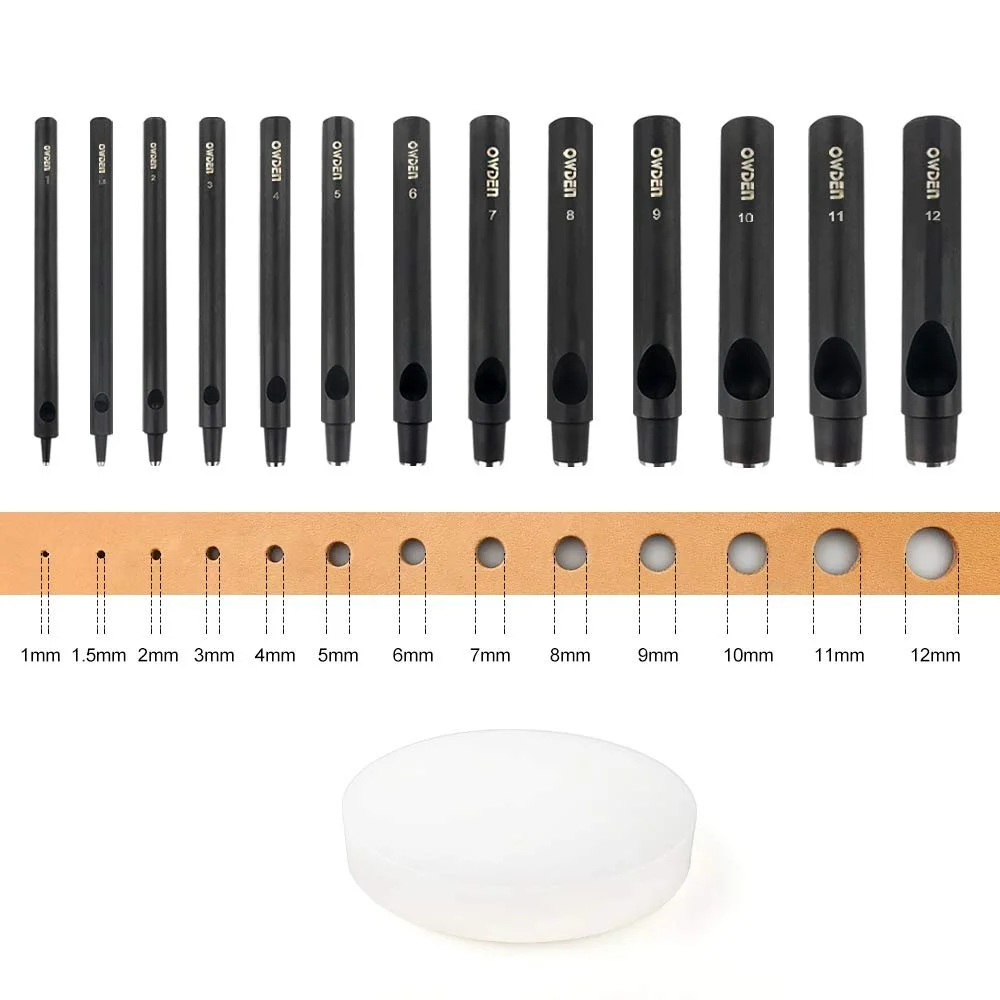
Owden Round Hole Punch Set for $33
Owden does a great job of selliing no-nonsense leather tools. Their 13-piece round hole punch set is one of the best values in leathercraft.
Kevin Lee Leather Tools: The best leather tools on the market
Kevin Lee Leather Tools is based in China, and they make some of the absolute best leather tools on the planet right now. Their prices are incredible, they have a massive selection of every leather tool you can think of, plus specialty tools for shoemaking and watch straps, and and they even make custom leather tools. I have so many tools from Kevin Lee that I would have to do an entire blog post to review every tool I’ve bought from them—which I may do in the near future.
One particular callout: I have a few different sets of Kevin Lee’s high end “pro” stitching chisels, and they’re some of the finest tools I own, but their Upgraded Basic Diamond Chisels are perfect for beginners, and so nice that I still use them in many situations. They come in the standard sizes of 3 mm, 4 mm, and 5 mm spacing, and they only cost $65. As far as quality goes, the Basic Upgraded Chisels are built like a tank, made of ultra-high-quality steel, and the teeth are nice and straight, deep, and wide. I like wide teeth in my chisels, because it makes it easier to stitch when I don’t have to wrestle the needle through the hole or use a pair of pliers to pull it through.
Kevin Lee is mainly famous for his pricking irons and stitching chisels, but they also sell a ton of great cutting tools and razor sharp skiving knives, plus corner punches, French edgers, a ridiculously huge selection of stitching clamps, and so much more. The only drawback is that they’re in China, so shipping takes a while, but when I ordered some stuff in April 2026, it arrived in less than 2 weeks and without additional tariffs, which is nice.
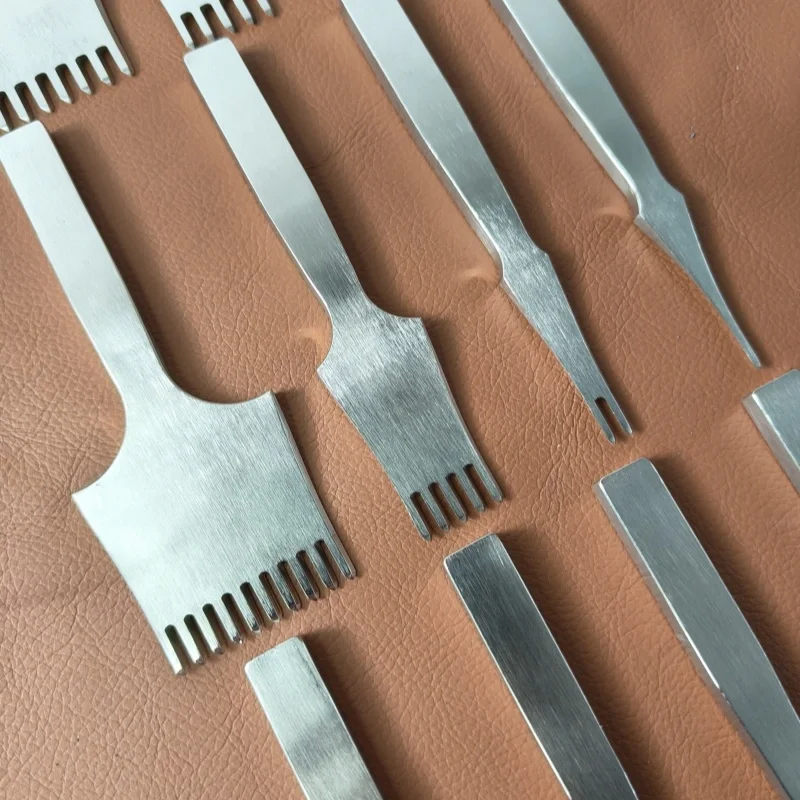
Basic Diamond Stitching Chisels from Kevin Lee
A set of the Basic Upgraded Diamond Irons from Kevin Lee will cost you $65. His premium irons that cost around $200 are some of the best I’ve ever used, but the basic ones are an incredible value for n00bs.
Buckleguy: The best hardware, great tools, professional supplies
Buckleguy is hands-down the best hardware in the business, but it’s expensive, and if you don’t know what you’re buying, it’s easy to over-spend on the wrong things. For beginners just getting into hardware, I would start with cheaper hardware from other sources like Tandy and Weaver (NOT AMAZON) until you figure out what you like, then start buying the good stuff on Buckleguy.
Almost every piece of hardware Buckleguy makes starts as solid brass, and then they electroplate with other finishes like shiny nickel, antique nickel, black PVD (the absolute best black hardware I’ve ever used—it’ll never chip, scratch, or discolor). They even have options finished with real 14k gold plating for a high end, luxury vibe.
Solid brass is the hardware of choice for most high-end leathercraft, as it doesn’t rust or corrode, and develops a lovely patina similar to the way veg tan leather ages. Stainless steel is equally as good, but currently even more expensive than solid brass.
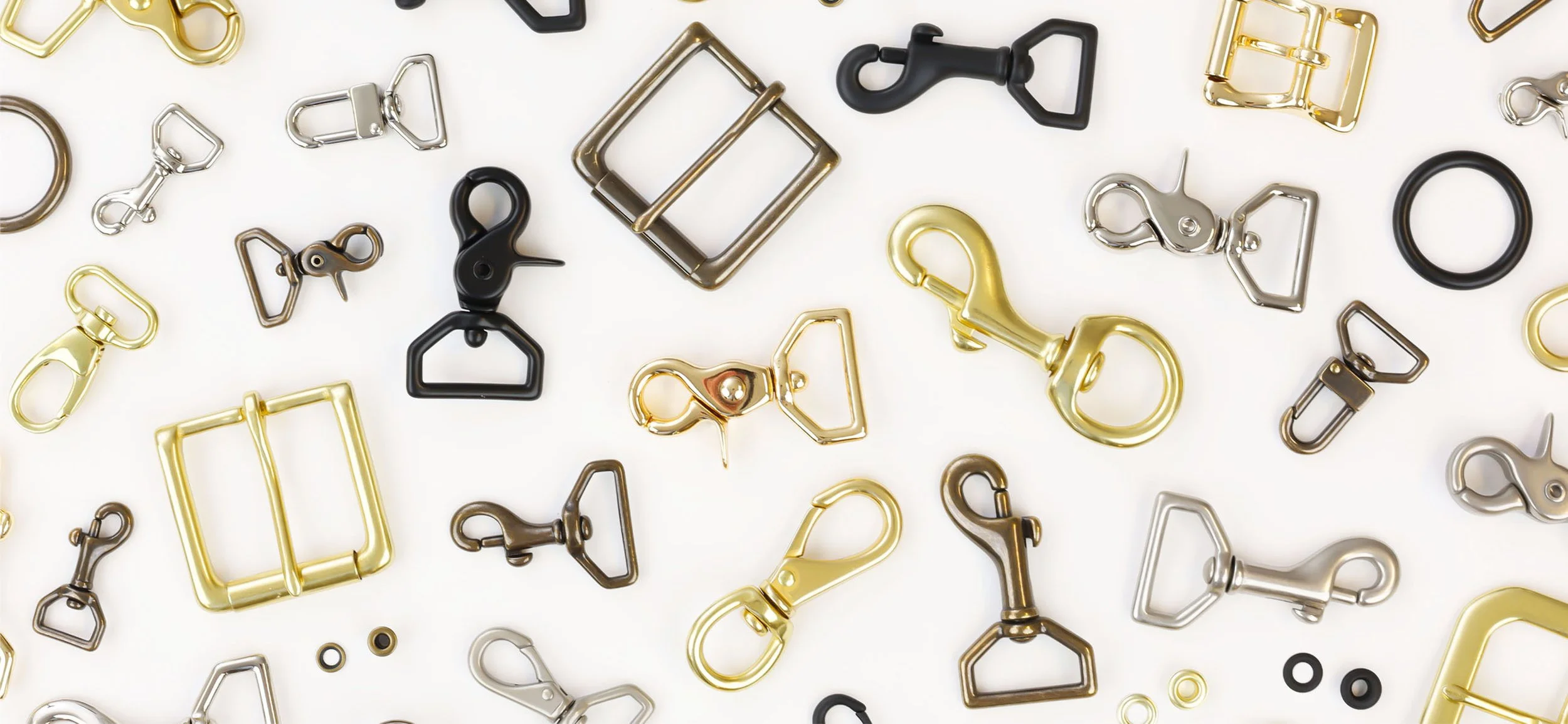
Buckleguy
The best hardware in the leather game, plus great tools, machines, leather, and supplies, with award-winning customer service.
Buckleguy also has shockingly competitive prices on leather, including a $109 side of Korba Vegetable Tanned Carving Leather from India. The Korba veg tan is good leather, but it’s basically bone white and doesn’t seem to patina very easily (I assume they use bleach at some point in the tanning process), so you really need to dye it to make it look good. But at $109 for a whole side of veg tan, it’s great for practicing and prototyping. Aside from the Korba, they carry a whole slew of premium leather from Hermann Oak, Horween, La Perla Azzurra, Newbury Leathers, Richard Hoffmans, Rocado Shell Cordovan, Sedgwick, and Wickett & Craig.
Buckleguy leather tools are a terrific value. Their BG branded products are well-built, professional grade tools, plus they sell a wide variety of tools from the most respected high end vendors like Barry King, Garland Mallets, Sinabroks pricking irons, and some shockingly expensive C.S. Osborne tools like $100 zipper pliers, and a $311 Rawhide Round Maul.
Buckleguy also carries a wide variety of professional supplies, like Intercom Ecostick glue, Reina Aquilim glue, Barge cement, Ritza Tiger thread and Lin Cable Fils au Chinois linen thread. And finally, I would be remiss if I didn’t mention that BG is the only US source for RiRi Zippers, which many crafters claim to be the best zippers ever made (and they might be right). However, get some experience with less expensive zippers (YKK zipper tape is great) before you go RiRi, because while there’s a certain panache to using the Rolls Royce of zippers, $29 per yard is quite damn expensive.
Weaver Leather: Great content, professional quality tools, and affordable hardware
Weaver Leather is the gold standard of the leathercraft world. Their YouTube videos with Chuck Dorsett taught me almost everything I know about leathercraft. Unfortunately, a lot of stuff on Weaver—especially their Master Tools—are professional grade, and VERY expensive. What I like about Weaver is that they have a huge selection of inexpensive hardware.
If you’re buying cheap hardware, it’s most likely going to be made of zinc. Zinc hardware isn’t as nice as the solid brass stuff that I use exclusively these days, but zinc is great for when you’re first starting out. Weaver has a huge selection of Zinc buckles, D-rings, O-rings, double cap rivets, and swivel snaps—basically everything you need to start making bags and straps and belts—with most of their basic D-rings and O-rings starting as low as 50 cents apiece.
When I first got started in leathercraft, I went on Weaver and bought a couple units of every piece of hardware that looked good to me. I spent about $100 and gained some priceless knowledge about which sizes and styles I wanted to use in the long run.
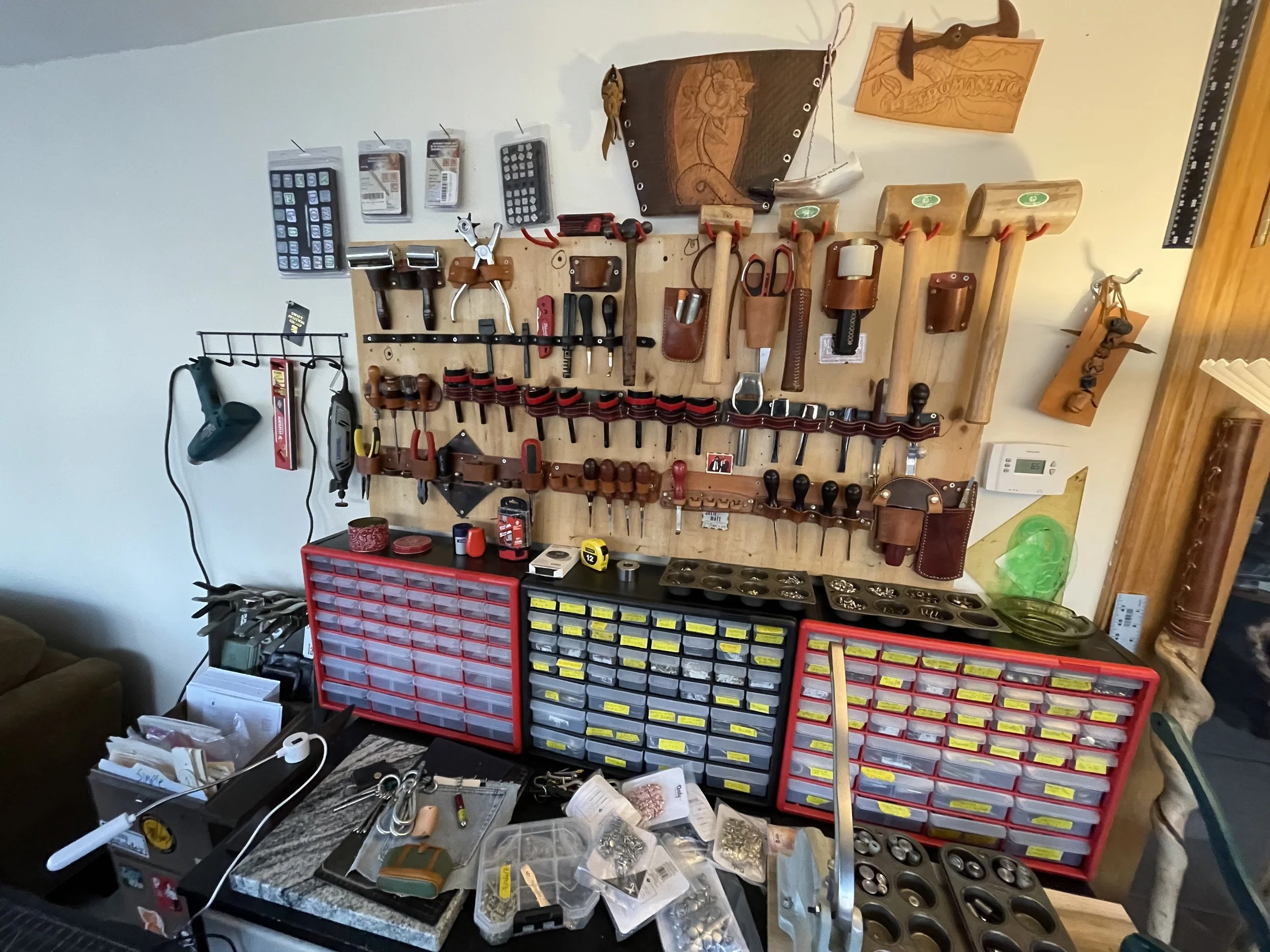
My leathercraft workbench
This is my personal workbench in the basement of my house. I made the tool holders myself out of scrap leather, and secured them to a sheet of plywood with wood screws.
Must-have leatherworking tools for beginners
It can be overwhelming to be a beginner in leathercraft. You see social media influencers using $500 skiving knives and $2k heat imprint machines and it’s easy to see how it might be intimidating to start buying leather tools. On the other side of the coin, the all-in-one beginner leathercraft kits on sites like Amazon and Temu might seem like a good deal, but the tools suck and oftentimes make crafting harder than it needs to be. So where does that leave the fledgling crafter? What should tools should you buy first?
Here’s a short list of the tools I use almost every day in my shop. This is by no means an exhaustive list, but it will help you get started in the craft.
Box cutter or utility knife - easily the most important tool in my arsenal. I use a Milwaukee Fastback utility knife and I buy my blades in 100-packs so I can start with a new blade on every project.
Self-healing cutting mat - Vantage makes the best cutting mats, but you can easily get by with the less expensive Worklion cutting mats. If you’re on a budget you can also use a nylon or acrylic cutting board from Wal-Mart or the dollar store, or a sheet of nice soft pine plywood.
Ruler or straight edge - this is both for measuring and cutting straight lines. Any ruler will do, but a metal ruler is best in most situations, as your blade is less likely to get stuck in the side.
Glue - Fiebing’s leather glue is fine, but you might want to invest in some Barge toluene-free cement and learn how to use it properly. If you don’t have a ventilated space, I recommend water based latex glue like Reina Aquilim or Intercom Eco-stick, which are both incredible.
Tokonole edge burnishing gum & wooden edge beveler - These are a must for professional looking edges, especially when working with veg tanned leather. You can swap out Tokonole for Gum Tragacanth, or even water, but Tokonole is fairly inexpensive and a small jar lasts for months if not years.
Edge beveler - Tandy Craftool #2 edge bevelers are $14.99 and do fine for most beginners. For a small step up in quality, try the size 2 Japanese edge bevelers from Oka Factory, which are terrific. If you want a forever beveler, go for the Weaver Master Tool edge beveler in size 1.
John James #004 Saddler’s Needles - Sharp sewing needles don’t work for leather, so invest in a $12 pack of John James Saddler’s needles, which have a blunt tip and will work with most common waxed threads.
Ritza Tiger Thread .8mm - Are there less expensive waxed threads out there? Sure, but they’re not as easy to work with as Ritza Tiger. You don’t have to buy a huge spool of it to get started, Weaver and Buckleguy both sell 50 meter mini spools that cost about $8 to $10 each.
Basic stitching pony - If you’re gonna stitch, then you need something to hold the work. You can get a basic stitching pony for about $30 so it’s not a huge investment.
4mm hole punch - If you’re setting rivets and snaps in your work, a 4mm hole punch will likely be the most used punch in your arsenal.
Punch pad or chopping block - You’ll use this when punching holes in your work to protect your tools. You can use a thick nylon cutting board if you want, a novolene chopping block from Weaver, or the Grain Flow block from Oka Factory (available on Rocky Mountain Leather). I recommend a small chopping block, because they’re cheaper but also great for punching in tight spaces. I use my small chopping blocks much more than my XL one.
Double Cap Rivets & Rivet Setter - Tandy medium double cap rivets were (and still are) my jam. These have an 8mm or 9mm cap I believe? You can go a step up and use double cap rivets from Buckleguy, which have become my go-to, but they’re quite a bit more expensive than Tandy.
Line 24 snaps & Snap Setter - Again, Tandy is the way to go here. Line 24 snaps are the most common for leathercraft, but you’ll also see a lot of Segma snaps (aka glove snaps), which are easier to open and require a separate setter.
Diamond stitching chisels, 4mm spacing - Diamond chisels are thicker and more robust than French style pricking irons, so you can whack them all the way through the leather without having to finish with an awl, which is better for beginners. The 4mm spacing is a versatile size that can be used for wallets, bags, and larger items.
Rawhide mallet, 11 ounce - Go ahead and get yourself a Garland rawhide mallet. Sure, there are other mallets, including rubber, nylon, and wood types, but rawhide mallets are the industry standard. Rawhide mallets are super durable, and they’ll save your tools from damage (DO NOT use a metal hammer on leather tools!)
Wing divider - This will help you set stitch lines and spacing in your work. You can find wing dividers at most hardware stores.
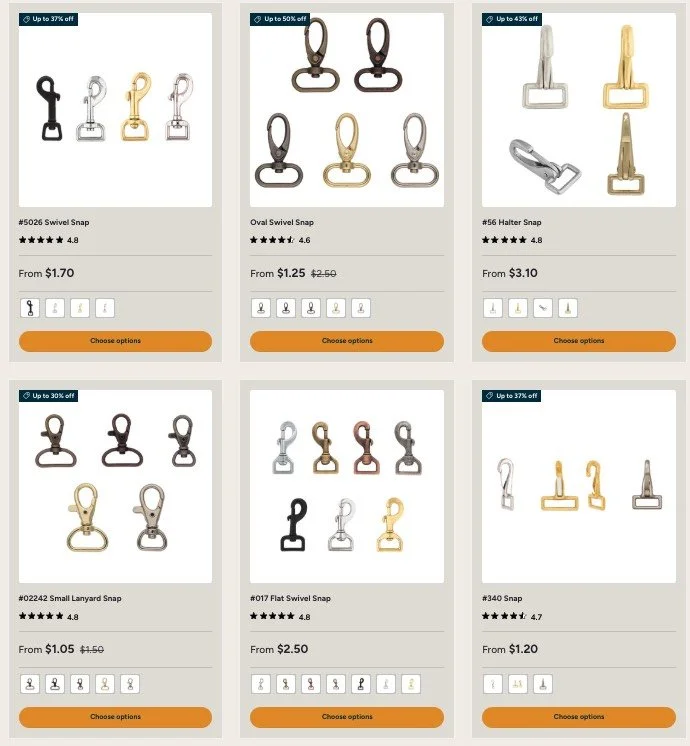
Inexpensive hardware from Weaver Leather
While a single solid brass trigger snap from Buckleguy will cost you about $6, Weaver has dozens of inexpensive options in a huge variety of finishes.
Should I buy leather tools on Amazon?
Hell no you shouldn’t! But let me back up… When I first got started leathercrafting, I went hog wild buying cheap tools on Amazon, and in retrospect, that was a massive mistake. I bought every set of the cheap diamond stitching chisels from Aisaker, but realized later that the teeth weren’t perfectly straight, and the spacing wasn’t exact, and it made my early projects look sloppy and unprofessional. I could have just bought the $65 Basic Upgraded Diamond Irons from Kevin Lee and I would have saved myself a lot of headaches. Unfortunately, I didn’t know about Kevin Lee back then, which is one of the reasons I’m writing this piece.
Avoid all-in-one beginner leathercraft kits
There are a few inexpensive leather tools on Amazon that I really do like. Amazon is one of the only places in the USA that you can easily buy Owden leather tools as I mentioned above. But honestly, the leather tools on Amazon are trash. I especially dislike the “complete leathercraft kits” that are so ubiquitous on Amazon. These kits are filled with the same cheap Chinese junk that you find on Temu and Alibaba. These tools might seem like a good deal, but they’re really just garbage that will slow your progress, cheapen your brand, and waste your money.
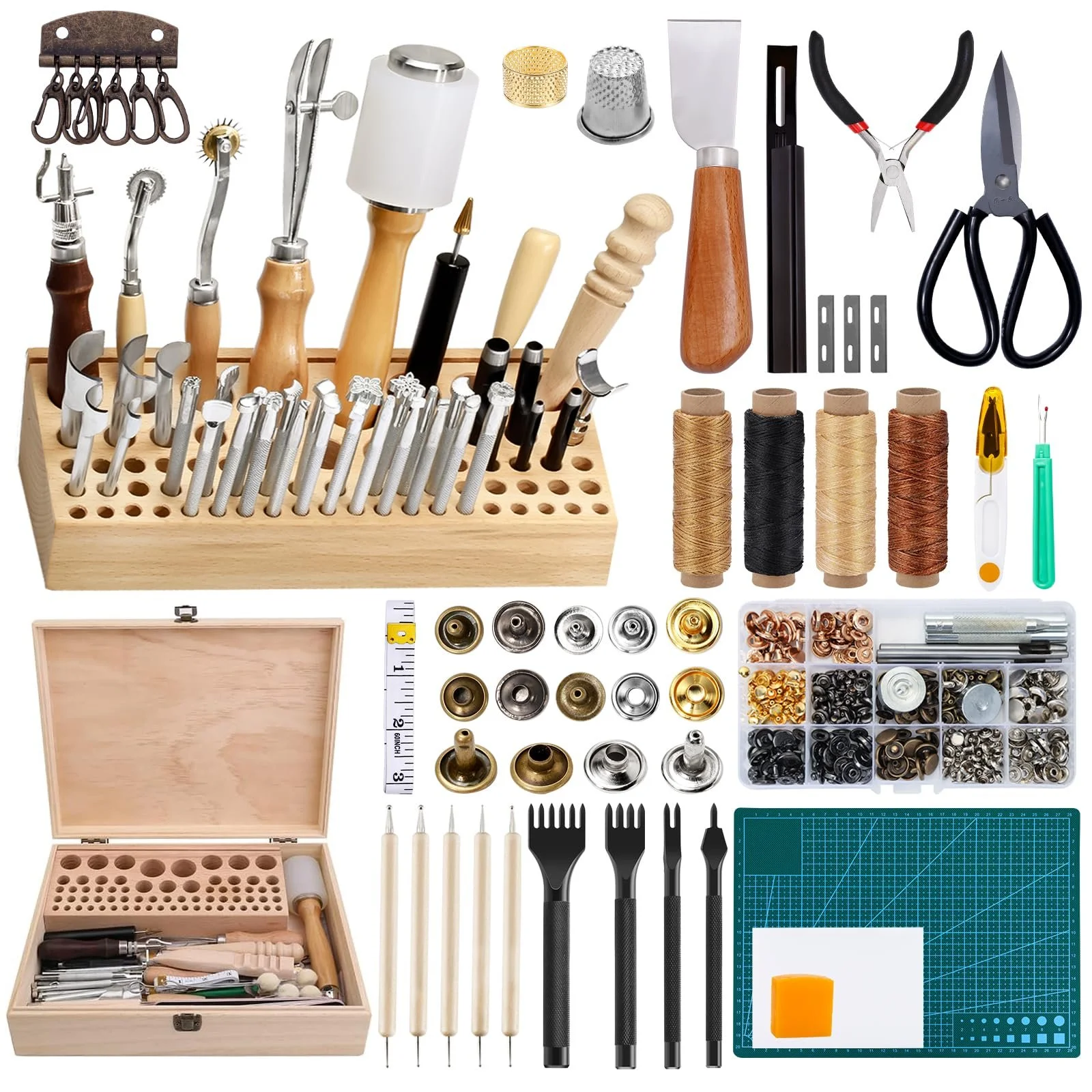
Avoid junk leather tools from Amazon, Temu, and Alibaba
Complete sets like this might seem appealing at first glance, but trust me, they’re junk. If you’re serious about getting into leathercraft and you buy a set like this, you will regret the purchase almost immediately.
Also, fuck Amazon. I hate what Amazon and Jeff Bezos have done to the small businesses in our country and around the world. Every leather brand in America (even the big ones like Weaver) are still small businesses, and Amazon is the enemy of small business. Amazon has made it almost impossible for small companies to make a profit without first making a bigger profit for Amazon. I recently canceled my Prime subscription, deleted the Amazon Prime app from my phone, and unplugged all my Alexas, and I’m never buying leather or leather tools on Amazon ever again (I’m serious).
Still, if you’re in a pinch and need something hyper-specific that you can’t find at the local Home Depot or Ace Hardware (leather glue is not easy to get out there in the wild), Amazon can be a great place to cheap prices and fast shipping on “basics” like utility knife blades, rulers, cutting mats, sandpaper, and sharpening stones. Full transparency: I bought a really nice set of sharpening stones on Amazon just a couple weeks before I deleted the app, and they’re great. But still, fuck Amazon. If you want to support small businesses and keep the leather industry from being ruined by tech bros, I would avoid buying leather tools on Amazon.
Where should I buy my leather?
Hoo boy. This is a complicated question. You can get leather almost anywhere online, and there’s a lot of good stuff out there. I’ll share my favorites, and give you a few pointers, but my best advice is to find a physical store that sells leather, and go there and TOUCH the leather and feel it and see what kinds of stuff you like.
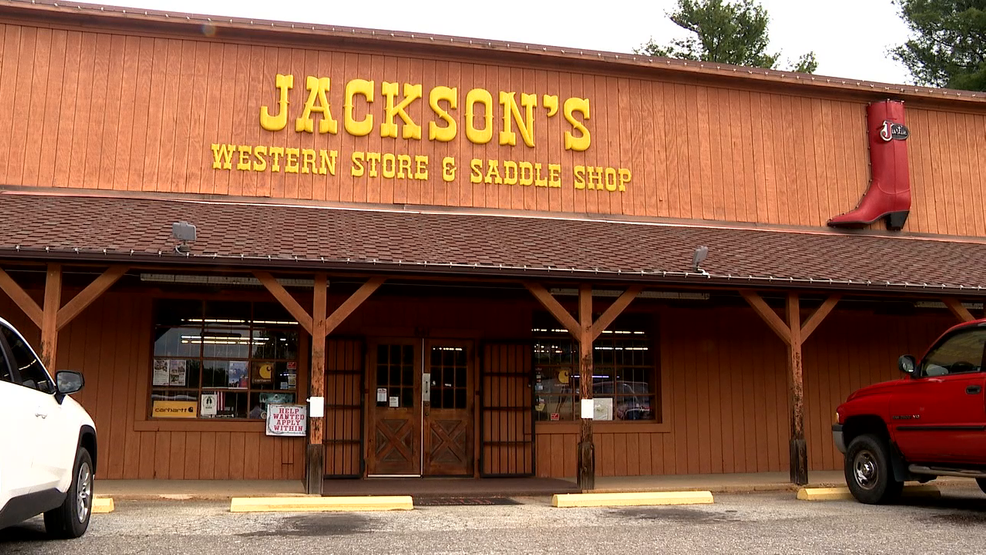
If you have a Tandy Leather store near you, go there and talk to people! Even better, you might luck out and find a truly independent leather store, like Jackson’s Western Store in Asheville, North Carolina. Jackson’s was the first place I ever bought leather or leather tools. I love that store, and I try to make a stop there whenever I’m anywhere near Asheville.
Find your leather community, online or in-person
No matter where you live, you should do a few Google searches and see if there’s a saddle shop or western store in your area (those kinds of stores usually sell leather and leather tools). And if there are no leather shops, saddle shops, or western stores in your area, the online leather community is very big and very friendly. Most leather websites are pretty easy to get in touch with. I’ve had phone conversations and email exchanges with the folks at Buckleguy, Weaver, Maverick, LeatherSkins.com, and pretty much every other site that I’ve shopped with.
Plus, there’s tons of really great Facebook groups, sub-Reddits, and leather forums out there. Check out:
Reddit’s r/leathercraft
Many of these leathercraft communities offer FREE leather patterns, tutorials, and give you access to a whole community of crafters. There’s also a huge leather community on YouTube, where you can watch my favorite crafters like Corter Leather and the aforementioned Chuck Dorsett.
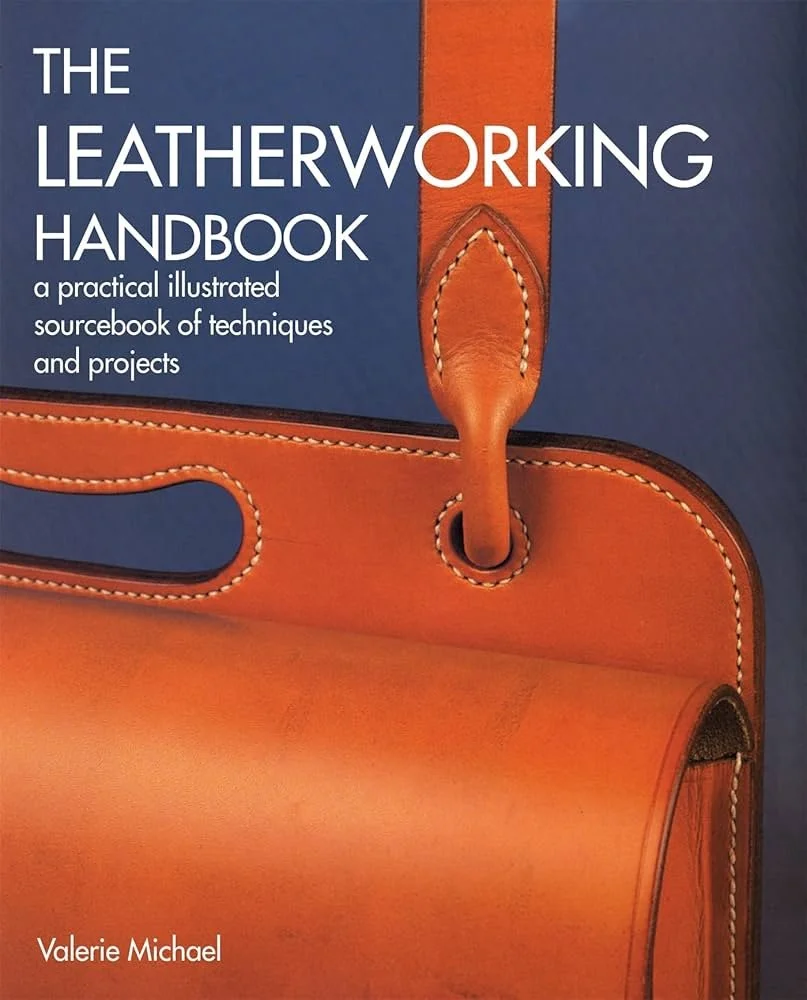
The Leatherworking Handbook by Valerie Michael
A must-have leatherworking guide that’s often referred to as “the leatherworking Bible,” I highly recommend this book to anyone exploring leathercraft as a hobby.
Leathercraft books are a goldmine of information
While we’re on the topic of learning, I have to mention books. Remember books? They’re those paper things with all the words and pictures. I LOVE leathercraft books so much that an entire shelf of my library is filled with old books about leathercraft. There are a billion books out there on the topic, so I won’t get into the weeds here, but I’ll share some links to a few of my favorites. I especially love the older books written by Bruce Grant, Valerie Michael, and the legendary Al Stohlman.
The Leatherworking Handbook - Valerie Michael (aka THE BIBLE)
Leathercraft: Traiditional Handcrafted Leatherwork Skills and Projects - Nigel Armitage
The best place to find leathercraft books and magazines is your local library, along with Leathercrafter’s Journal, which sells books and also publishes a bi-monthly magazine that I just love. Tandy also has a great selection of leathercraft books, including the incredible Leathercraft Library, which is a free archive of Tandy’s leather projects, tooling patterns, and doodle pages going back to the 1940’s. They’ve made the entire library completely free, and it is an incredible resource for historical leathercraft lore and knowledge.
Don’t forget the old timers
As a heritage craft, the best resources in leathercraft are the old timers. If you really want to learn about the nitty gritty details of this fine craft, find yourself an old saddler or shoemaker, make friends with them, and pick their brain as much as you can before they’re gone. There are saddle shops and shoe repair places in almost every city and small town in America, and the people that work at these places are an amazing resource.
My favorite leather stores
LeatherSkins.com — the best kept secret in the leather industry
Global Leathers and LeatherSkins.com — Full disclosure, I have a special relationship with Leather Skins. They don’t sponsor me, but I work with them as part of my day job in digital marketing. They give me good deals on leather, and in exchange I give them a lot of shoutouts on social media, and I’ve helped them grow their online brand. But even without our shared relationship, I would still shop for most of my leather on LeatherSkins.com—they are the best kept secret in the leather world.
Leather Skins is the retail website for Global Leathers, has a HUGE selection of affordable leathers, including:
An amazing Designer Closeouts Leather collection
Gorgeous Pig Suede in 60+ colors that feels like spun silk
Metallic, pearlized, and iridescent leathers that are perfect for costume and cosplay,
Tons of gorgeous vegetable tanned leathers
High-end Italian veg tan leathers that you can’t get anywhere else in the United States
Global Leathers and LeatherSkins.com have everything a leathercrafter could ask for… and their prices are VERY competitive. The Global Leathers storefront in NYC is amazing, and boasts the biggest selection of leathers in the NYC leather district, including rare and exotic hides, and tons of apparel and costume leathers.
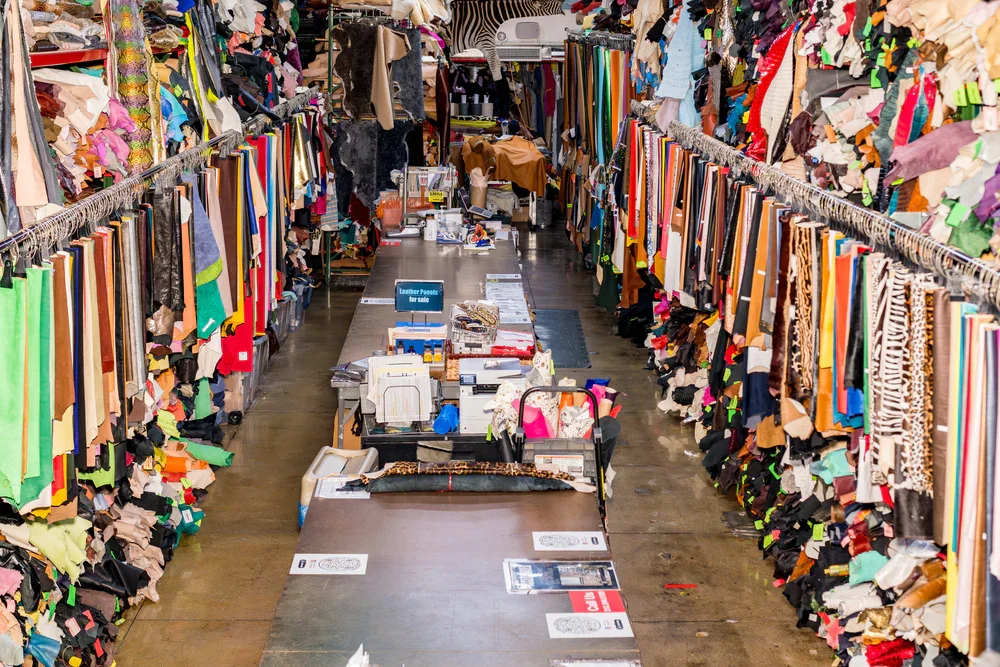
Global Leathers and LeatherSkins.com
If you shop online or live in the NYC area and you want to explore a global selection of premium leathers, this is the place to go. The guys at Leather Skins are the best. Tell them Swift sent you!
Maverick Leather: the best place to buy discount leather sides
Maverick Leather Company — These guys sell tannery “seconds” from Horween and other big tanneries, which means they have really cheap, high quality leather. The only drawback of seconds is that they often have some cosmetic defects like scars, brands, and bug bites.
If you’re new to leathercraft and don’t care about cosmetic issues, Maverick is the best place to buy cheap leather for beginners who want to experiment with different types of hides. They also have awesome bundles that are actually a really great value, where you get 3 or 4 full sides of leather for around $250 which is a GREAT deal.
Springfield Leather — Big selection of leather, sold by the square foot
Springfield Leather — These guys sell relatively inexpensive leather of varying qualities. What most people like about Springfield is that they sell their leather by the square foot, so you can buy smaller amounts of stuff to try it out without having to buy a whole side. Sides are usually 22 square feet, which is absolutely massive, and not so easy to cut up in small spaces, so being able to buy 10 square feet of a certain leather is really cool if you work in a small workshop.
Rocky Mountain Leather — High end, exotic, and ultra-premium leathers
Rocky Mountain Leather — The place to shop for expensive, premium, luxury-grade leathers. They have sides of leather that are more expensive than most people’s car payments, but, they also sell most of their leathers in panels as small as 1 square foot. So if you want to make wallets, keychains, and other small goods with seriously premium leather without shelling out $500 for a whole side, Rocky Mountain is a good place to go to stock up. They have a HUGE selection of both leather, tools, hardware, and supplies like glue and whatnot, all of it premium quality for “serious” leatherworkers. It’s definitely a fun site to visit, just don’t get overwhelmed by the sticker shock.
Do I need to spend a fortune to become a good leathercrafter?
Short answer: NO! All you need are some basic tools, time, and elbow grease and you’re well on your way to becoming an expert leathercrafter. Don’t get caught up in the marketing tricks of social media and the internet. You can make great products with just a handful of tools, many of which you might already have in your house.
Every leathercrafter, from the bedroom hobbyist, to the world-famous influencers, to the best saddlemakers in the west all started off in the exact same place: as a beginner, just like you. The only difference between an amateur and a professional is time, practice, and hard work. Just make sure to plan your projects carefully, take your time, measure twice, cut once, and most importantly: enjoy yourself!
Until next time, keep your knives sharp, and your mind sharper.
— Bryan Swift
